With a lot of Growing stress related to fast lifestyle and very less time to take care of one self, Sleep is the most important part of the day that should be very peaceful and proper restful to human body.
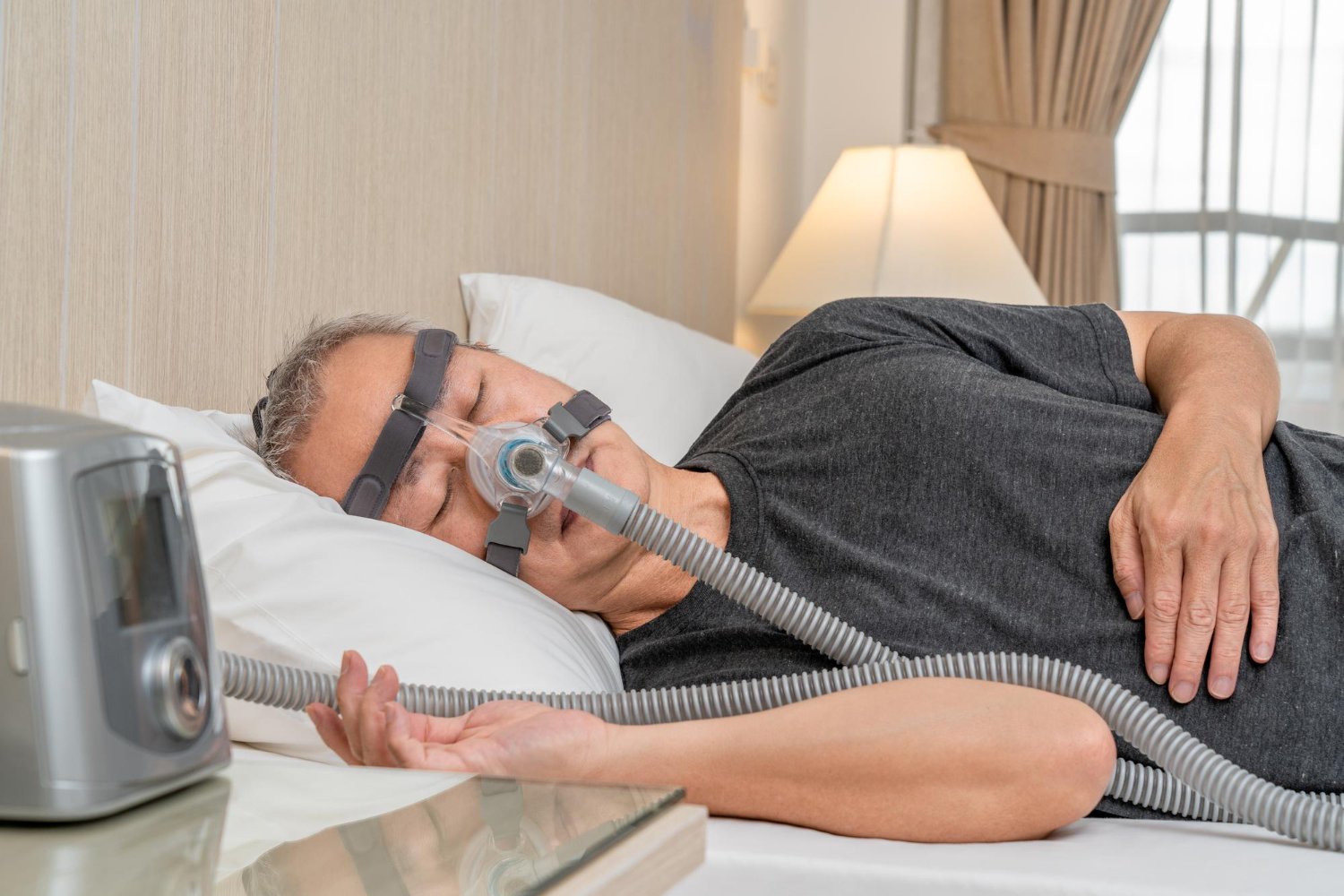
Sleep Apnea (Obstructive Sleep Apnea - OSA)
OSA occurs due to repeated upper airway obstruction during sleep, leading to fragmented sleep and reduced oxygen levels. Contributing factors include obesity, enlarged tonsils, anatomical abnormalities (e.g., small jaw), alcohol use, and sedatives. Central sleep apnea, a less common type, is due to unstable respiratory control by the brain.
Prevention/Management:
Weight loss and exercise.
Avoid alcohol and sedatives before bedtime.
Sleep on the side rather than the back.
Use of CPAP (Continuous Positive Airway Pressure) devices for moderate-to-severe cases.
Oral appliances or surgery (e.g., UPPP, Inspire therapy) in select cases.
Regular sleep studies for diagnosis and follow-up.
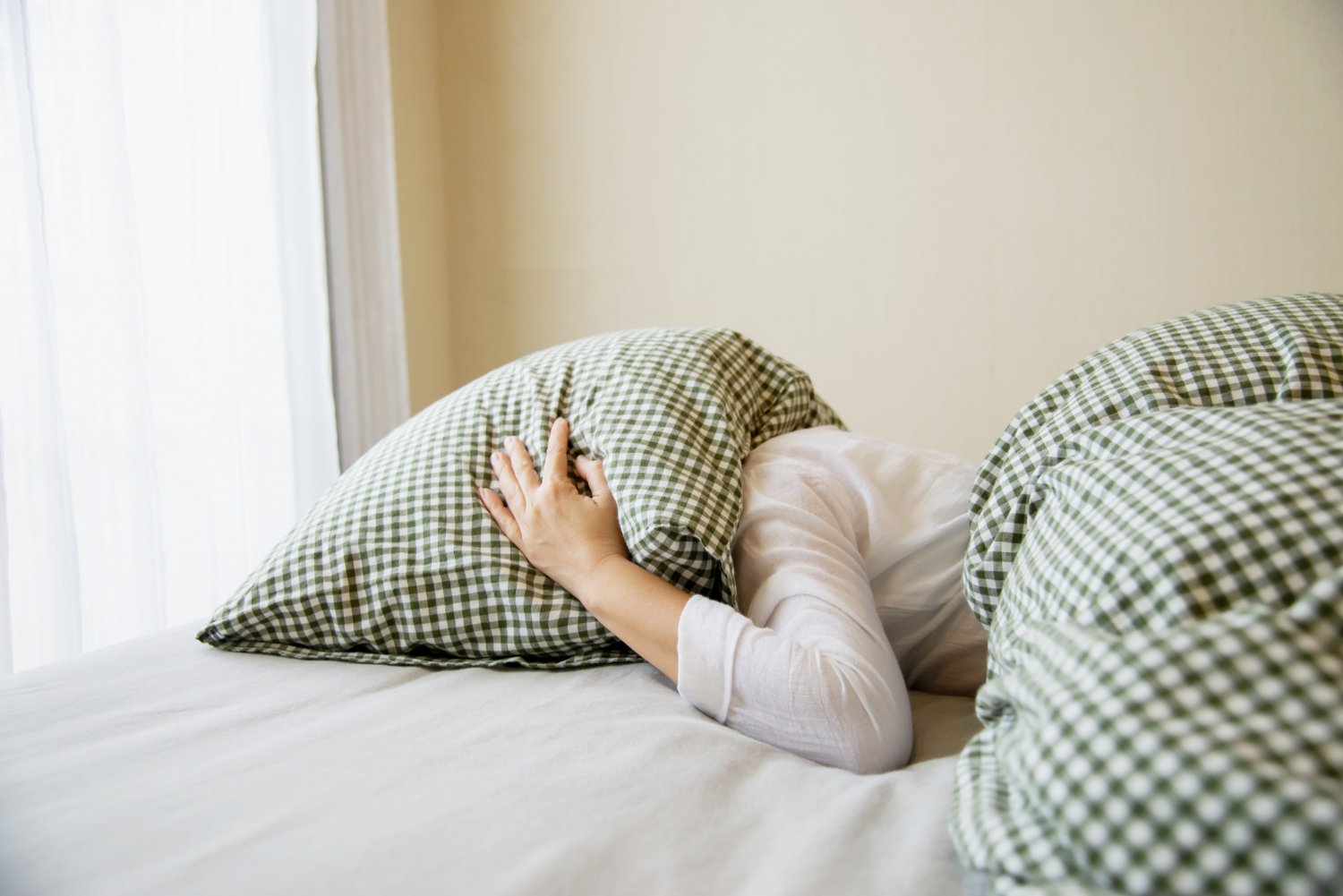
Insomnia
Insomnia is difficulty initiating or maintaining sleep. Causes include stress, anxiety, depression, poor sleep habits, medications, caffeine use, and medical conditions like chronic pain or asthma.
Prevention/Management:
Maintain a consistent sleep schedule.
Limit screen time and stimulants (like caffeine) before bed.
Create a sleep-conducive environment (quiet, dark, cool room).
Cognitive Behavioral Therapy for Insomnia (CBT-I) is the gold standard.
Use of short-term sleep aids only when necessary and under supervision.
Narcolepsy
A chronic neurological disorder caused by the brain’s inability to regulate sleep-wake cycles. It is often associated with a deficiency of hypocretin (orexin), a neurotransmitter involved in wakefulness. Genetic predisposition and autoimmune mechanisms are believed to play a role.
Prevention/Management:
Scheduled naps during the day.
Avoid heavy meals and alcohol.
Stimulant medications (e.g., modafinil) and sodium oxybate for cataplexy.
Maintain a regular sleep-wake schedule.
Educate family and employers to ensure support and safety (e.g., driving precautions).
Open for Appointments
Lorem ipsum dolor sit amet, consecte adipiscing elit